

Trusted World Clients









Our Core Web Vitals Optimization Services
We optimize your website’s Core Web Vitals, key performance metrics that directly impact user experience and business growth. Our services focus on improving these specific indicators to enhance your site’s speed, responsiveness, and visual stability, ultimately driving better engagement and higher conversion rates.

Core Web Vitals Audit
A comprehensive audit of Core Web Vitals will identify specific bottlenecks and areas for improvement. Our detailed audit reports give insights into fixing them. Performance Metrics Analysis Field & Lab Data Review Mobile & Desktop Testing

Core Web Vitals Optimization
We provide actual fixes along with the audits, resulting in better performance. Our CWV optimization helps your site achieve excellent results across all key metrics. Speed Enhancements Image Optimization Layout Stability Fixes

Core Web Vitals Consultancy
WPWeb Infotech provides expert guidance to help you interpret Core Web Vitals data and derive profitable insights that fuel long-term business success. LCP Optimization INP Improvements CLS Reduction

Core Web Vitals Maintenance
Our analysts help monitor and maintain your website’s Core Web Vitals scores. It is to ensure that your site performs well and users consistently get an enhanced experience. Performance Audits & Reporting Interactivity Enhancement Visual Stability Fixes

Platform‑Specific Speed Optimization
Beyond your site’s CWVs, we work specifically on improving the overall speed of your platform. This helps improve search visibility, user conversion, and retention. WordPress Optimization Shopify & WooCommerce Optimization Magento Optimization

RUM Setup
Real-User Monitoring provides precise data that helps improve Core Web Vitals. It is beneficial for businesses and ensures faster load times and better user experience. Snippet Generation & Code Injection Configure Application Verify and Test
Why Optimize the Core Web Vitals of Your Websites?
Investing in Core Web Vitals helps your website succeed. Google sees CWVs as a key measure of site performance, user experience, and search ranking.
-
SEO Benefits

-
User Experience Benefits
-
Performance Benefits
-
Business Benefits

SEO Benefits

Higher Search Engine Ranking

Local Search Ranking and Traffic Boost

Improved Click-Through Rates

Increased Visibility Across Devices
User Experience Benefits

Smoother and Faster Loading Times

Enhanced Interactivity with a Sense of Control

Reduced Unpredictable Layout Shifts

Better Accessibility for Those with Disabilities
Performance Benefits

Reduced Website Server Load

Improved Website Speed and Performance

More Efficient Website Operation

Faster Load Times for Mobile Devices
Business Benefits

Increased Conversions and Sales

Low Bounce Rates and High Engagement

Improved Brand Image with Customers’ Trust

Competitive Edge with a Superior UX
Our Core Web Vitals Optimization Process
Core Web Vitals Audit
Our QA analysts run a comprehensive assessment on your website across field data and lab data. We use tools like Google Search Console, Chrome UX Report, GTMetrix, and PageSpeed Insights to check key site metrics. The insights derived from detailed audit reports help map issues with LCP, INP, CLS, and review HTTPS/mobile signals and create a roadmap that estimates the necessary efforts required and their impact.
LCP Fixes
From the audit, we identify the loading time of your site’s primary content. Implementing image compression, CDN and server tuning, render-blocking reduction, efficient architecture, preloading, and caching helps identify LCP elements and reduce the load time.
INP Optimization
At this stage, our web developers enhance user interactivity and minimize input latency by adhering to optimization best practices like deferring non-technical scripts, optimizing third parties, trimming JavaScript, splitting bundles, and leveraging browser schedules wherever needed.
CLS Stabilization
WPWeb Infotech takes care of your website layout and prevents any unexpected layout changes. To ensure that we set standard height and width for images and embeds, sequence late-loading, reserve space for media or ads, and optimize web fronts to ensure visual consistency along with site stability for template components.
SEO Implementation
To fix the issues found in the audit, our QA engineers partner with SEO experts to implement solutions that aren’t just technical fixes but solutions that align with the SEO objectives of enhancing performance and search rankings.
Monitoring & QA
After implementing solutions, we monitor for improvements and regressions visible in Search Console and lab tools. We continuously conduct CI checks along with monitoring to validate the fixes across different templates, user journeys, and device types.
Reporting & Roadmap
Get reports on regular QA checks, along with insights on viral Core Web Vital trends and their impact on SEO and site revenue. To ensure maximized returns, we keep a live backlog that compares input efforts against outcomes.

Want to Grow Your Business with Our Core Web Vitals Optimization Services?
Our Cloud Application Development Engagement Models
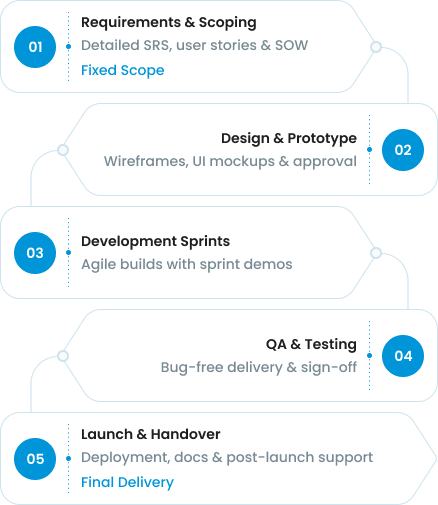
We offer three flexible engagement models: fixed price, hourly, and dedicated, to suit your project requirements. All models include transparent costs, structured development, regular demos, QA, deployment, and post-launch support.
Fixed Cost
This model is perfect for Express.js development projects with clearly defined requirements, timelines, and deliverables, ensuring predictable costs and structured execution.
MVP Development, API Development, Startup Projects
Why Choose Fixed Cost?
- Clearly defined project scope and deliverables
- Predictable budget with no unexpected costs
- Streamlined project planning and execution
- Suitable for projects with stable requirements
- Reduced management overhead for clients
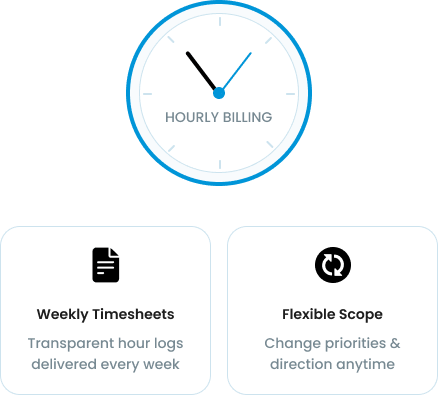
Hourly Model
When you require a flexible engagement option that allows businesses to pay only for the development hours utilized throughout the project lifecycle, this is the perfect solution.
Feature Enhancements, Application Maintenance, Performance Optimization
Why Choose an Hourly Model?
- Flexibility to modify requirements anytime
- Pay only for actual development hours
- Faster response to changing business needs
- Ideal for short-term development tasks
- Greater control over project priorities
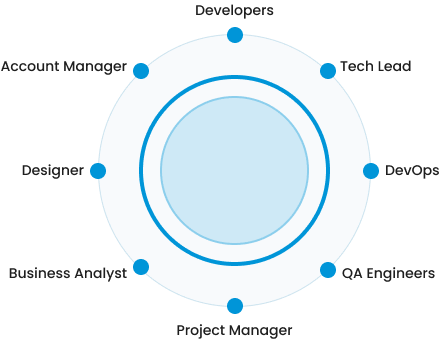
Dedicated Model
Looking for a dedicated team of Express.js developers who work exclusively on your project, ensuring focused development and long-term collaboration.
Enterprise Applications, SaaS Platforms, Long-Term Product Development
Why Choose Dedicated Model?
- Full control over the development process
- Dedicated resources aligned with your goals
- Faster communication and collaboration
- Scalable team structure based on project needs
- Continuous development, support, and innovation
Why WPWeb Infotech Is a Reliable Choice
WPWeb Infotech has over a decade of experience in technical SEO and web development. We use cutting-edge tools and technologies to gather data and insights, followed by an effective implementation of solutions by our experts. Our client-focused Core Web Vitals optimization services help secure sustained and scalable success.
-
 35+ Experienced Web Developers
 -
 Result-Driven Approach
 -
Transparent Communication
-
2-Week Risk-Free Trial
-
Onboarding Within 24 Hours
-
 Time Zone Alignment


Powered by Leading AI Technologies


Enhance Web Performance with Core Web Vitals Optimization
Optimize and maintain your Core Web Vitals with our custom, flexible plans.
What Google Says About Core Web Vitals Optimization?

What Google Says About Core Web Vitals Optimization?
- Ranking Factor: CWVs are important metrics directly impacting the page experience. Optimizing them improves the search rankings.
- User-focused: CWVs are as important for users as they are for websites. Taking a client-focused approach to improve them reduces the abandonment rate by 24%.
- Field Data: Google Search Console and other tools use real user data to track these metrics and paint a picture of how they actually experience your site.
- Thresholds: The standard thresholds for the following metrics are:
1) LCP – 2.5 seconds or faster
2) INP – 200 milliseconds or faster
3) CLS – 0.1 second or faster
Key Aspects of Core Web Vitals Scores

Largest Contentful Paint
What is a good LCP score?
A good LCP score, based on Google’s recommendations, is 2.5 seconds or less. It ensures the users see the main content quickly.
What are the reasons for a poor LCP?
- Large, unoptimized images
- Render-blocking resources
- Poor mobile responsiveness
- Server-side issues
How to improve LCP?
- Resize, compress, and use image formats like WebP and AVIF.
- Reduce the size of HTML, CSS, and JavaScript files.
- Use a Content Delivery Network (CDN) for faster loading.
- Reduce the number of plugins or use lightweight alternatives.

Cumulative Layout Shift
What is a good CLS score?
A good CLS score, as per Google’s recommendations, is below 0.1. That ensures minimal unexpected layout shifts for better UX.
What are the reasons for a poor CLS?
- Dynamic content loading
- Unfixed ad placements
- Web fonts loading asynchronously
- Lack of preloading or lazy loading
How to improve CLS?
- Preload or lazy load content to avoid layout shifts.
- Reserve space for ads and embeds using CSS techniques.
- Define dimension attributes for images and videos.
- Use web fonts with preconnect or swap techniques.

Interaction to Next Paint
What is a good INP score?
Anything below 200 milliseconds is a good INP score. It ensures minimal delays between interactions and responses for better UX.
What are the reasons for a poor INP?
- Complex or unoptimized JS code
- Main thread overload
- Heavy animations and interactions
- Complex Document Object Model
How to improve INP?
- Optimize the JS code using code splitting, lazy loading, etc.
- Defer or async non-critical resources to avoid thread blocking.
- Reduce the number of page elements and optimize their structure.
- Use efficient animation libraries and prioritize smooth UX.
Superpowers of Well-optimized Core Web Vitals
Before
After

Slow, unstable pages
Poor LCP and CLS scores make your pages load slowly and jump around, causing instant frustration and higher bounce rates.

After

Lightning‑fast page loads
Optimized LCP delivers meaningful content within a couple of seconds, keeping visitors engaged from the first view.

Clunky, unresponsive interactions
High INP means clicks, taps, and form steps feel delayed, so users abandon key actions before they complete.
After

Pixel‑steady, smooth experiences
Low CLS and tuned INP remove layout shifts and lag, so users can read, scroll, and click with total confidence.

Leaking conversions and revenue
Every extra second in load time silently kills sign‑ups, demo requests, and sales on both mobile and desktop.
After

Higher conversions with less friction
Fast, responsive pages guide visitors through forms and funnels effortlessly, lifting sign‑ups and sales.

Rising ad costs
Weak Core Web Vitals hurt rankings and Quality Score, forcing you to spend more on ads for the same traffic.
After

Stronger SEO and cheaper clicks
Achieving ‘all-green’ CWVs sends positive signals to search engines, boosting rankings, organic traffic, and ad efficiency.
Our WordPress Speed Optimization Live Results, You can Test!
-
- Before
- After
- View Live Speed

-
Page Speed Insight Desktop
-
78
-
100
-
Page Speed Insight Mobile
-
50
-
95

-
- Before
- After
- View Live Speed

-
Page Speed Insight Desktop
-
75
-
99
-
Page Speed Insight Mobile
-
55
-
93

-
- Before
- After
- View Live Speed

-
Page Speed Insight Desktop
-
65
-
95
-
Page Speed Insight Mobile
-
30
-
70


What do We Fix When Improving the Core Web Vitals of a Website?
- What are the avg page load times across devices?
- How is the user interaction on your website?
- Is your site visually-stable? Any layout shifts?
- Is your website responsive on mobile devices?
- How are the safety measures on the website?
- How secure is your website?
Our Preferred Tools And Technologies
-

Google Search Console
-
Google PageSpeed Insights


-
Chrome DevTools
-
Web.dev
-
Chrome User Experience Report
-
GTmetrix


Looking for Experts to Optimize Your Core Web Vitals?
What Our Customers Are Saying
Our clients trust us for our profound expertise in web and mobile app development. No matter the time, our experts are always available to help you with any issue or query.


Trusted by 200+ happy clients

Explore Our Latest Blog Posts




Questions We Often Hear
What are Core Web Vitals (CWVs)?
Here are the key metrics:
– Interaction to Next Paint (INP): Measures how responsive your website feels to user interactions.
– Largest Contentful Paint (LCP): Measures how long it takes for the main content of your page to load and become visible to the user.
– Cumulative Layout Shift (CLS): Measures how much unexpected layout shifts occur on your page as it loads.
How does CWV optimization impact my website’s ranking in search results?
Core Web Vitals (CWVs) have become a significant ranking factor for Google since their official rollout in mid-2021. Websites with consistently low CWV scores can experience ranking downturns as Google prioritizes user experience.
Good CWVs lead to a positive user experience. Metrics like lower bounce rates and higher engagement boost your website’s overall relevance in Google’s eyes. So all in all, CWV optimization should be seen as a holistic approach to improving your website’s performance and user experience.
What’s the difference between lab and field data?
Lab data is obtained from tests run by tools like PageSpeed Insights and Lighthouse in a simulated environment. Meanwhile, field data is obtained from Chrome browsers. Field data influences your search rankings. So, we optimize your website for both, but prioritize the data that matters the most for your business.
Will CWV optimization affect my site’s functionality?
No, Core Web Vitals optimization doesn’t affect your website functionality. We optimize them to improve website speed and responsiveness and test the site in a virtual environment before deploying it in an actual environment.
What if only some pages are failing?
We undertake Core Web Vitals optimization at a page-group level. Our experts identify the page types that fail and then prioritize the pages that have the highest impact on your business, bring more traffic, etc. Sometimes a simple task, such as fixing a page layout, can fix hundreds of site URLs.
How do I measure my CWV scores?
A few of the best tools for measuring the CWV scores are Google PageSpeed Insights, Lighthouse, Search Console, etc.
But if you want detailed reports on the CWVs of your website and how you can improve them, our Core Web Vitals optimization services might be helpful.
How can I optimize my CWVs?
Here are a few ways to optimize your CWVs:
– Optimize the site for mobile.
– Optimize images
– Minify and combine resources
– Prioritize critical resources
– Use a Content Delivery Network
– Improve server performance
– Eliminate render-blocking resources
– Reduce third-party scripts
How much does CWV optimization cost?
It depends on the complexity of your website and chosen approach. It can be done in-house, with freelancers, or with agencies. Contact our experts to get the best CWV optimization services at affordable costs.
How long does it take to see results from CWV optimization?
CWV optimization is a continuous process. But the time it takes for the betterment of these metrics depends on:
– Complexity of your website
– Severity of CWV issues
– Extent of optimization efforts
– Monitoring and ongoing maintenance
Overall, you can expect to see initial improvements in CWV scores and UX within days or weeks after optimization.
What are some best practices for ongoing CWV monitoring and maintenance?
Let’s take a look at the best practices for CWV monitoring and maintenance:
Monitoring
– Regularly use CWV measurement tools
– Track score changes
– Monitor different pages and segments
– Track mobile performance
– Perform regular speed tests
– Test on different devices and browsers
Maintenance
– Address issues proactively
– Stay updated on Google’s guidelines
– Schedule optimizations in your workflow
– Consider automated solutions
– Utilize data analytics
Overall, you can expect to see initial improvements in CWV scores and UX within days or weeks after optimization.
How can I prioritize which pages on my website to optimize for CWVs first?
Here are some strategies to prioritize which pages on your website to optimize for Core Web Vitals (CWVs) first:
Impact analysis
– Traffic and conversions
– Business goals
– SEO potential
Technical considerations
– Current CWV scores
– Complexity of optimization
– Mobile performance
Don’t neglect important pages with lower traffic. And start with a handful of pages and track the impact of optimization. Then, re-evaluate your priorities based on the results.
What are some basic techniques for improving CWVs without needing technical expertise?
Even without deep technical knowledge, you can implement several basic techniques to improve your website’s CWVs. Here are a few:
– Reduce image size
– Use next-gen formats
– Lazy load non-critical content
– Enable browser caching
– Choose a reliable hosting provider
– Utilize a Content Delivery Network (CDN)
What are the potential revenue or conversion rate increases I can expect from improving CWVs?
It’s challenging to give a definitive answer about the potential revenue or conversion rate increases through CWV optimization. However, numerous studies and case studies demonstrate a clear correlation between good CWVs and positive business outcomes.
While the exact numbers may vary, studies suggest a potential range of 5% to 20% increase in conversions and revenue after CWV optimization.